Branding vs Website First
It’s one of the most common questions we hear from growing businesses:
“Should we sort the brand first, or just get a new website live?”
It’s a fair question. Both feel important. Both require investment. And in many cases, both are starting to feel misaligned with where the business is now. The challenge is knowing which one will actually move things forward at this point, rather than simply ticking something off the list.
The honest answer is that there isn’t a single right order for every business. What matters more is understanding what problem you’re trying to solve, and choosing the route that supports where the business is heading, not just where it’s been.
If you’re trying to budget sensibly, these guides are a useful starting point: branding costs for growing SMEs and website design costs for growing SMEs.
When we talk about small businesses here, we’re not referring to side projects or early-stage start-ups still finding their feet. This is written for established and growing SMEs, businesses with customers, momentum and ambition, that are starting to feel their brand or website no longer reflects who they are, or where they’re going next.
A quick note on what we mean by “branding”
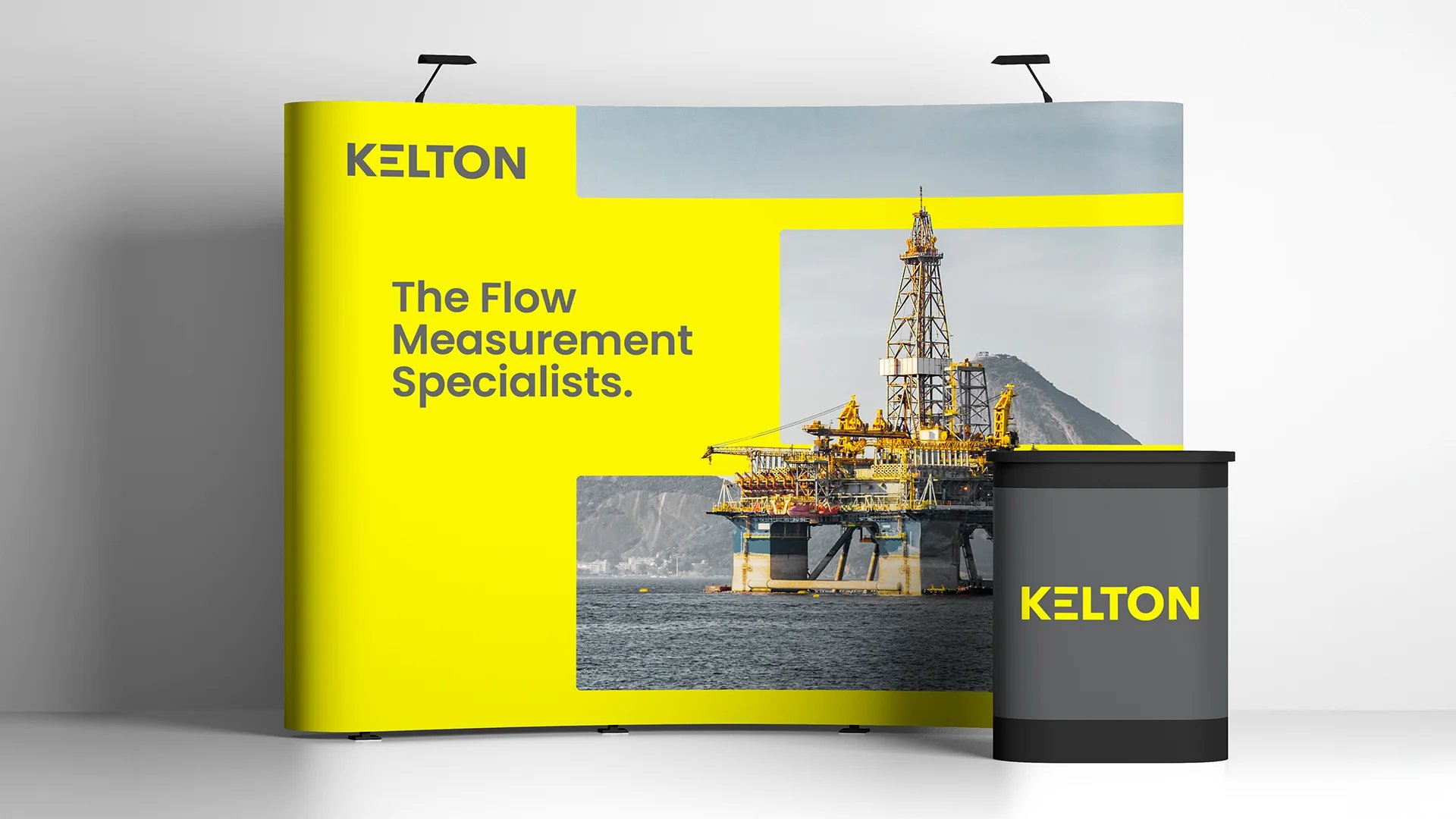
When we talk about branding here, we’re primarily talking about brand identity and design, how a business looks, feels and communicates in the real world.
That includes things like visual identity, tone of voice, messaging clarity, and the design systems that bring those elements together across websites, marketing and day-to-day touchpoints.
We’re not talking about abstract theory or brand consultancy in isolation, but about creating clear, usable brand foundations that can be applied confidently and consistently as the business grows.
Why the order matters
For most growing SMEs, the website is no longer just a supporting asset. It’s often the first place someone independently forms a view of the business, sometimes before any conversation takes place at all.
At the same time, brand identity and design play a bigger role in how businesses position themselves, justify pricing, and stand out in increasingly crowded markets. When either of these foundations is weak or misaligned, the impact is usually felt quickly.
That’s why the order matters. Improving the website without clarity around positioning and messaging can amplify confusion. Investing in brand identity without a practical way to apply it can stall momentum. Getting the sequence right helps ensure effort and budget are spent in a way that actually supports progress.
When branding should come first
Brand identity and design should usually lead when the underlying issue is clarity, rather than presentation.
This tends to be the case when:
- the business has evolved beyond its original offer
- services have expanded or shifted over time
- messaging feels inconsistent or vague
- different people describe the business in different ways
- the website looks acceptable but doesn’t really explain why you’re different
That lack of clarity might come from positioning, messaging, or sometimes from how information is structured and presented. Either way, tackling the brand foundations first helps resolve the root cause rather than treating the symptoms.
In these situations, building a new website without addressing the brand is a bit like redecorating before deciding what the room is for. It may look cleaner, but it won’t necessarily work any better.
Common signs branding should come first:
- “We struggle to explain what we actually do, succinctly.”
- “Our offer has outgrown our original positioning.”
- “The site doesn’t reflect the quality of our work.”
- “We’re attracting the wrong type of enquiry.”
Here, brand identity and messaging provide the foundation, a clear visual and verbal system the website can be built around. Once that’s in place, the website becomes far easier, and far more effective, to design.
If your identity feels inconsistent, it’s usually worth starting with branding support before rebuilding the website around it.
When the website can reasonably come first
There are also situations where focusing on the website first makes sense.
This is usually when:
- the brand foundations are broadly sound, or at least aren’t the main source of friction
- the business is well understood internally
- messaging already resonates with customers
- the existing website is technically poor, outdated, or holding the business back
In these cases, the problem isn’t what you’re saying, it’s how it’s being delivered.
Common signs the website should lead:
- “Our site is hard to update or maintain.”
- “It doesn’t work well on mobile.”
- “It’s slow, cluttered or confusing to navigate.”
- “We’ve outgrown the platform it’s built on.”
Here, a well-structured website redesign, sometimes alongside light brand refinement, can deliver meaningful improvements without needing to start from scratch.
If the site is slow, hard to use, or not mobile-friendly, you’ll get more value by prioritising website support first.
The common risk: treating branding and websites as separate
One of the most frequent issues we see is when branding and website design are treated as completely separate projects.
In reality, they’re closely connected:
- brand identity shapes how you communicate
- the website is where that communication has to work hardest
Doing one without acknowledging the other often leads to compromise. You might end up with a good-looking website that lacks clarity, or a strong brand identity that isn’t applied consistently. Either way, progress tends to be short-lived.
That’s why many successful projects treat branding and website work as part of a joined-up process, even if they’re phased sensibly over time.
In practice, a phased approach often works best. We’ll tighten the identity first, then build the website properly around it, this guide helps: when to redesign your website
A more practical way to approach the decision
Rather than asking “branding or website first?”, a more useful question is:
“What’s currently limiting our growth?”
- If it’s unclear positioning, mixed messages or credibility → brand identity should lead
- If it’s usability, outdated technology or poor performance → the website can lead
- If it’s both → a phased approach often works best
That might mean:
- light brand clarification, followed by a website rebuild
- solid brand foundations, then a new website
- or addressing both in parallel, with clear priorities
The key is intention, not sequence for the sake of it.
Thinking beyond today: building with growth in mind
The most important consideration isn’t just what you need now, but what you don’t want to have to redo in a year’s time.
For growth-minded SMEs, that usually means:
- a brand identity that can stretch as the business evolves
- a website that can support new services, audiences or markets
- foundations that don’t need replacing every time something changes
That’s where experience, planning and restraint matter more than quick wins.
Our honest view at Planet
We don’t believe in pushing businesses down a single “correct” path. Our work is design-led, focused on creating brand and website foundations that are clear, usable and built to last.
Our role is to help you:
- understand what stage you’re actually at
- identify what’s genuinely holding you back
- avoid false economies that create more work or cost later on
- and make decisions that support long-term progress, not short-term fixes
Sometimes that means starting with brand identity and design. Sometimes it means fixing the website first. And sometimes it means accepting that both need attention, just in the right order.
A sensible next step
If you’re unsure which route makes sense for your business, a short, honest conversation is often enough to create initial clarity.
Getting the order right early on can save time, cost and frustration later, and lead to work that genuinely moves the business forward.
If you want a quick steer on what makes sense for your business, start here: branding support or website support
Design Packages
We offer a range of affordable design packages, or contact us to discuss your design project.