Website design costs for small businesses in the UK

If you’ve ever searched “how much does a website cost?”, you’ll know how unhelpful the answers can be. You’ll see everything from £500 template websites to £20,000+ custom builds, which doesn’t make it any easier to work out what’s actually right for your business.
The reality is that website costs vary because different websites solve different problems. A simple brochure site has very different requirements from an e-commerce platform or a content-heavy marketing site. Platform choice, build quality and long-term goals all play a part.
This guide is written for UK small businesses and growing SMEs, from early-stage companies to more established organisations, who want clarity, not jargon. We’ll explain what genuinely affects website pricing, how different platforms compare (Squarespace, WordPress, Webflow, and Shopify), and what you should realistically budget for depending on the type of site you need.
Most UK small business websites cost between £3,000 and £7,500, depending on platform, size and complexity. E-commerce websites typically start from £6,000+.Template-led platforms cost less upfront, while custom-built sites offer greater flexibility, performance and longevity.
What actually affects website pricing?
Website pricing isn’t arbitrary. It’s usually shaped by decisions made early in the process, sometimes deliberately, sometimes by default.
Here are the main factors:
Platform choice
Different platforms are designed for different jobs.
Squarespace, WordPress, Webflow and Shopify all have strengths and limitations. The right choice depends less on headline cost and more on what the site needs to do now, and what it may need to do in a few years’ time.
UX, wireframing and custom design stages
Some websites can be designed and built efficiently using well-structured templates or established patterns. Others benefit from a more considered approach before any visual design or build work begins.
For more complex projects, we often start with a UX and wireframing stage, mapping out page structure, user journeys and content hierarchy before committing to a platform or layout. This is typically done using tools such as Adobe XD, and helps ensure the site is clear, usable and aligned with business goals from the outset.
This stage isn’t always necessary. Simpler brochure sites may move straight into design and build. However, for content-heavy websites, ecommerce projects, or businesses with multiple audiences or services, taking time to define the structure and flow upfront can save significant time, cost, and rework later.
Where included, this discovery and design work forms part of the overall website investment and is one of the reasons pricing can vary between projects that may appear similar on the surface.
Template vs custom build
Template-based websites are quicker and cheaper to build, but they come with limitations around layout, flexibility and differentiation.
Custom-designed sites take longer and cost more, but they’re built around your content, brand and users, not the other way round.
Page count and content volume
More pages usually mean more design, more layout work and more content handling. A focused five-page site is very different to a thirty-page service-led website.
Content-heavy sites also require more thought around structure, navigation and usability.
Content creation
Who’s writing the copy? Supplying imagery? Creating diagrams or illustrations?
Websites built with placeholder content often feel unfinished, even if the design itself is sound. Proper content creation adds time , and cost , but usually pays for itself.
Integrations and functionality
Contact forms, booking systems, CRM integrations, ecommerce, calculators and gated downloads all add complexity.
The more a site needs to do, the more time it takes to design, build and test properly.
SEO foundations
Basic technical SEO setup is usually included in professional builds. More comprehensive SEO-led work, such as content planning, page targeting, and performance optimisation, increases scope and investment.
Ongoing support and maintenance
Some platforms require more ongoing care than others. Updates, backups, security and content changes all have long-term cost implications that are often overlooked at the outset.
Typical UK website costs by type
Rather than focusing on platform straight away, it’s often more useful to think in terms of what the website needs to do.
Starter brochure sites (£1,500–£3,000)
Best suited to very small businesses or start-ups that need a simple online presence.
Typically includes:
- A small number of pages
- Template-led design
- Basic contact functionality
These sites are functional, but they usually have a clear ceiling.
SME marketing websites (£3,000–£7,500)
This is where most established small businesses sit.
Typically includes:
- Customised design
- Clear service structure
- Strong calls to action
- SEO-ready foundations
This level balances professionalism, flexibility and value.
Content-heavy or SEO-led websites (£5,000–£12,000)
Designed for businesses where the website plays a central marketing role.
Typically includes:
- Larger page counts
- Content planning and structure
- Performance and usability focus
- Strong SEO foundations
These sites take longer to plan, but tend to deliver better long-term results.
Ecommerce websites (£6,000–£20,000+)
Costs vary widely depending on product range, integrations and operational complexity.
Typically includes:
- Product management
- Payments and checkout
- Shipping and tax setup
- Ongoing optimisation
Ecommerce is rarely “simple”, even at small scale.
Website platforms explained (briefly)
Each platform has its place. None are inherently good or bad.
Squarespace
Best suited to simple brochure sites with limited functionality.
- Faster and lower-cost builds
- Clean, structured templates
- Limited flexibility as requirements grow
WordPress (including Elementor)
Highly flexible, but quality varies significantly depending on how it’s built.
- Can support almost any site type
- Builders like Elementor can reduce upfront cost
- Poor builds can create performance and maintenance issues
Webflow
Design-led and performance-focused.
- Clean code and strong performance
- Higher upfront investment
- Lower ongoing maintenance
Often suits growing SMEs who care about quality and longevity.
Shopify
Purpose-built for ecommerce.
- Reliable and scalable
- Platform fees plus build costs
- App costs can add up over time
Best suited to businesses where e-commerce is core.
Typical UK website costs by platform (indicative)
These ranges overlap because build quality usually matters more than platform choice alone.
| Platform | Price |
|---|---|
| Squarespace | £1,500 - £5,000 |
| Wordpress (Elementor) | £2,000 - £8,000 |
| Wordpress (custom build) | £5,000 - £14,000 |
| Webflow | £5,000 - £14,000 |
| Shopify | £7,000 - £20,000+ |
What these price ranges assume
The figures above are intended as realistic guidance, not fixed packages. They’re based on typical SME website projects built by professional agencies, rather than DIY or theme-only builds.
In practical terms, these ranges usually assume:
- a clear, brief and sensible scope
- professional design and build (not just installing a theme)
- considered content, whether supplied or created as part of the project
- reasonable timelines, testing and handover
- and, where appropriate, some upfront thinking around structure and user journeys
Projects with more complexity, deeper UX work, ecommerce requirements or tighter timescales will naturally sit toward the upper end of each range.
Example — a typical SME website project
As an example, a growing service-based business might invest £4,500–£6,500 in a new marketing website.
This would typically include a short discovery phase, UX and wireframing for key pages, custom visual design, a flexible CMS build (using a platform such as WordPress or Webflow), SEO-ready foundations, and a clear handover.
The exact cost would depend on page count, content requirements and integrations, but this kind of project sits comfortably within the SME marketing website range outlined above.
Two real-world examples
To help make these ranges more concrete, here are two contrasting examples from recent SME projects.
Example 1 — Branding and a custom Webflow website
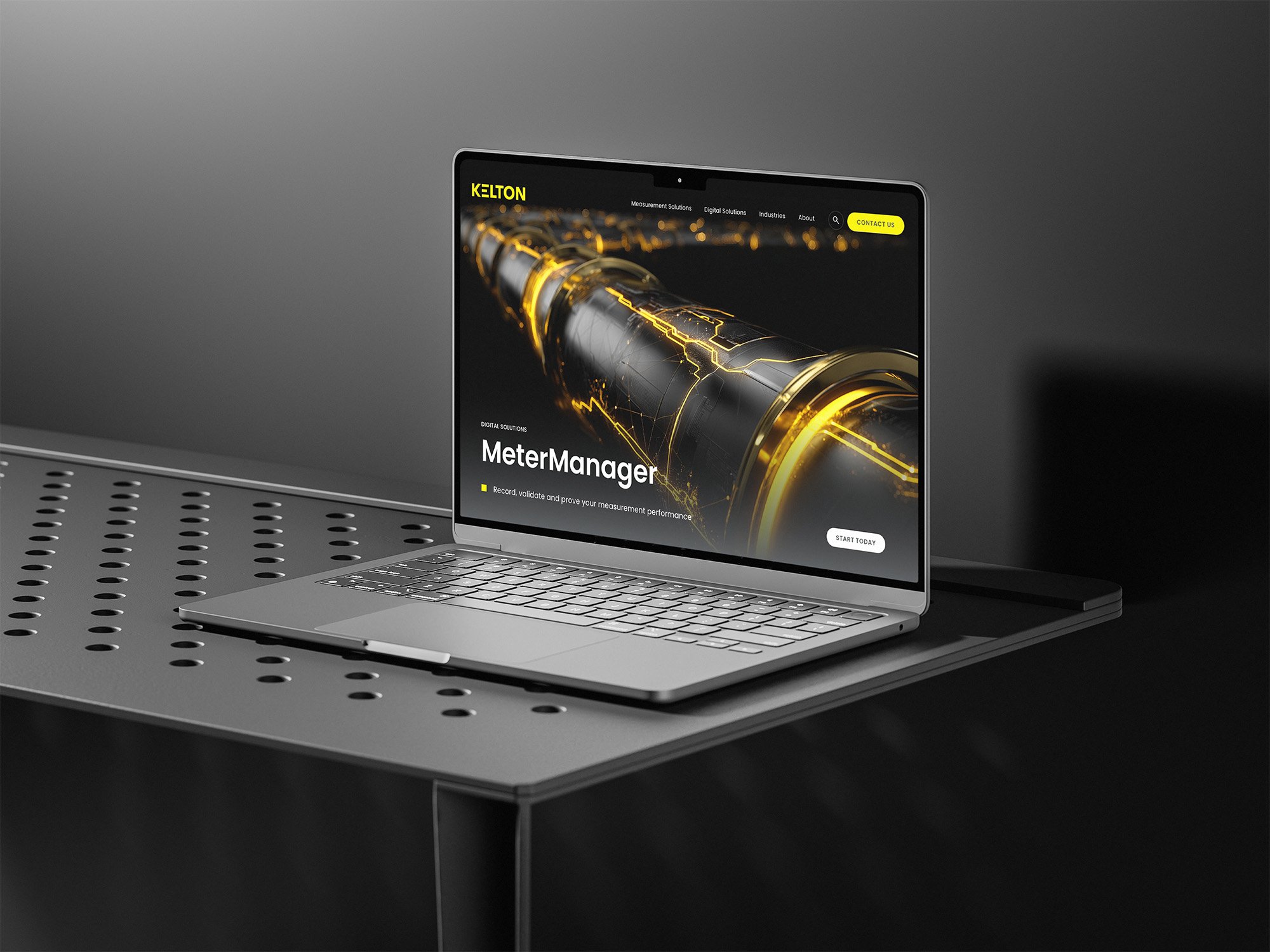
For a technical consultancy like Kelton, the brief went beyond simply “needing a new website. The project included brand development work alongside a new Webflow site, with a clear focus on structure, messaging and usability.
The process involved an initial discovery phase, UX and wireframing for key page types, custom visual design aligned to the new brand, and a flexible CMS build designed to grow over time. Projects like this typically sit toward the upper end of the SME website range, reflecting the level of strategic input and custom design involved.
Example 2 — A simpler Squarespace portfolio site
At the other end of the scale, we’ve also delivered a clean, effective portfolio website for Judith Parkyn Photography using Squarespace. In one case, this was a photography-led site with a clear structure, minimal functionality and client-supplied content.
The brief was straightforward, the scope was tightly defined, and a template-led approach made sense. While simpler in build, the focus was still on quality, clarity and presentation - just without the need for deeper UX or custom development.
(Case study coming soon)
London vs regional website pricing
London agencies typically charge 20–40% more than regional studios for comparable SME website projects.
This difference is usually driven by overheads rather than outcomes. Senior-led regional agencies can often deliver better value to small businesses, particularly when clarity, responsiveness, and collaboration matter.
Common website pricing mistakes SMEs make
We see these regularly:
- Choosing a platform before defining goals
- Using page builders to “save money” and paying for it later
- Underestimating the effort involved in content
- Over-engineering features too early
- Ignoring long-term maintenance costs
Most website regret stems from early decisions rather than budget alone.
Our honest view at Planet
We don’t believe there’s a single “best” platform, only the right tool for the job.
Our role is to help businesses:
- understand what level of website they actually need
- choose platforms that support growth rather than restrict it
- avoid false economies
- and build something that still works well a few years down the line
Sometimes, that means a simple site done properly. Other times, it means investing more upfront for long-term value. And sometimes, it means advising against unnecessary complexity altogether.
A low-pressure next step
If you’re unsure what type of website, platform or budget makes sense for your business, we’re always happy to talk it through , honestly and without obligation.
A short conversation at the right time can prevent a lot of rework later.
Design Packages
We offer a range of affordable design packages, or contact us to discuss your design project.